
Updated: 6 November 2025 17:53:22
Sudan’s Wealth: From Major Economic Opportunity to Fuel for a Relentless War
Follow-up Report – Muwatinoun
Source: arabic.euronews
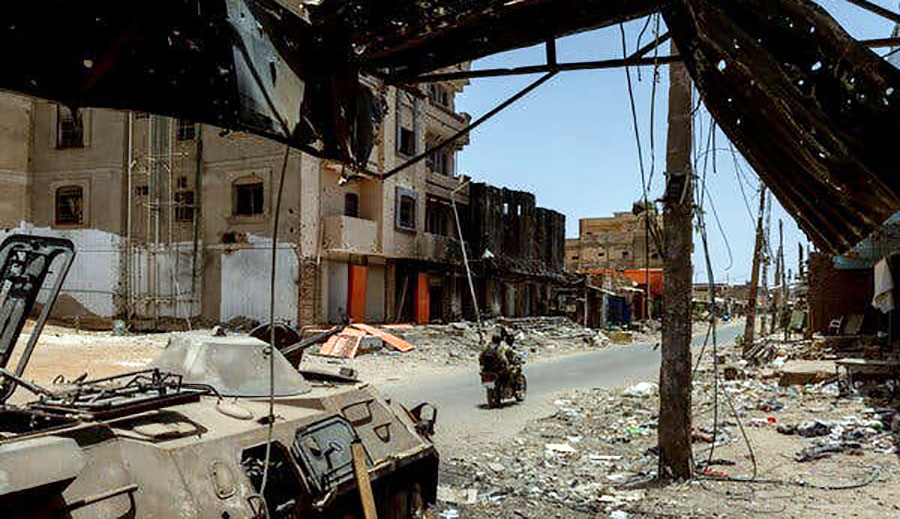
Sudan’s civil war is entering its third year, having transformed from a struggle for power into an open battle to control resources.
Illegal gold trade has become the backbone of the war economy, as mining revenues are used by both the Rapid Support Forces (RSF) and the Sudanese Army to finance military operations and purchase fuel and weapons.
What began in April 2023 as a power contest between the army and the RSF has now turned into a full economic war, fed by natural resources and reshaping the map of influence across the country.
With the RSF controlling wide areas of Darfur and Kordofan — both rich in gold — the group has gained access to a massive source of funding. Around 80% of Sudan’s gold production is smuggled abroad through complex networks stretching to neighboring countries and into the global black market. And with the recent fall of El Fasher, the RSF tightened its grip on major mines that represent the main arteries of gold in western Sudan.
Sudan’s Gold: The Hard Currency of War
Gold now represents around 70% of Sudan’s official exports — yet the majority is extracted informally and traded on the black market.
According to UN estimates, mines controlled by the RSF in Darfur alone produced gold worth USD 860 million in 2024.
Illegal gold trade has become the backbone of the war economy. Reports indicate that both the RSF and the army are using mining revenues to fund military operations and purchase fuel and weapons. Foreign actors have also entered the game — including Africa Corps (formerly the Russian Wagner Group) — running private gold refineries on the Nile River and facilitating the smuggling of the precious metal abroad.
Resources Exploited, Not Developed
Although Sudan owns one of the largest gold reserves in Africa, its mineral wealth goes far beyond the yellow metal.
The Red Sea Hills and Nuba Mountains contain massive amounts of copper — a vital element in technology and AI industries. Darfur and the border regions with Central Africa contain uranium deposits that were on track to form the basis of energy partnerships with Russia and China — until the war shut those plans down.
Sudan also possesses iron ore, chromium, manganese, and rare earth elements — highly sought after in global markets. Instead of driving development, these resources have turned into contested funding streams and a tool prolonging the conflict.
Oil: Losing the South and the Rise of Gold
When South Sudan seceded in 2011, Khartoum lost three-quarters of its oil production — a severe economic blow — after which gold replaced oil as the main source of foreign currency.
Sudan still produces around 135,000 barrels of oil per day, but that does not cover the massive budget deficit, particularly with declining investment due to insecurity.
The government plans to raise production to 320,000 barrels per day by 2030 through reactivating shut-in fields and attracting new investment. Yet the ongoing war makes such plans closer to aspirations than reality.
Agriculture: The Forgotten Wealth of the Nile
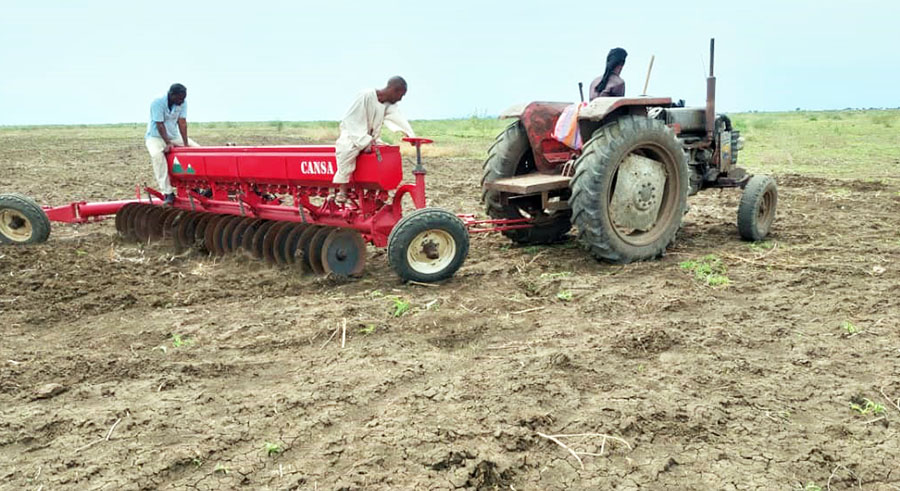
Beyond gold and oil, Sudan possesses huge agricultural potential that could qualify it to become a global “breadbasket.” Arable land covers about 16.9 million hectares, and agriculture and livestock provide livelihood for more than 60% of the population.
Sudan produces strategic crops such as cotton, sesame, peanuts, and sorghum — in addition to gum arabic, which represents 80% of global output. Nevertheless, the sector suffers from chronic neglect, weak infrastructure, and direct disruptions caused by the war in key production areas.
Livestock & Fisheries: Massive Numbers, Minimal Value
Sudan owns more than 130 million head of livestock — making it one of Africa’s biggest meat producers. Its fish stock is estimated at around 110,000 tons annually in fresh waters and in the Red Sea. Yet despite these enormous figures, returns remain extremely limited due to weak marketing, poor export systems, and the absence of security.
As for water resources, they remain one of Sudan’s main strengths. The country receives 18.5 billion cubic meters annually from the Nile, in addition to massive groundwater reserves. But mismanagement and decaying infrastructure have prevented meaningful development.
Industry between Ambition and Isolation
Past years have witnessed attempts to revitalize industry through projects such as the Giad Industrial Complex, which assembles vehicles and military equipment, and the production of ethanol at the Kenana Sugar Plant — making Sudan the first Arab country to produce biofuel. But the recent war paralyzed these activities and pushed the country back into a rentier economy based on raw materials.

