Updated: 30 November 2025 20:34:28
HUMANIFESTO – EDITION 24
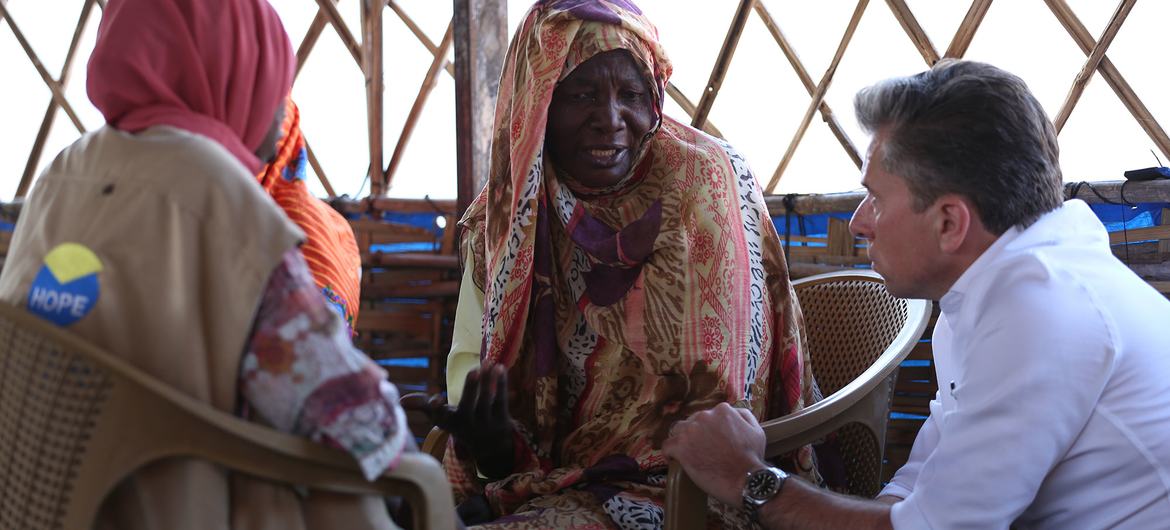
I last wrote en route to Sudan. This was one of the toughest missions I’ve done yet, and included a week in Darfur as we sought to respond to the horrors of El Fasher. You can read more in my Observer diary of the week, or watch and read my interviews with Al Jazeera Arabic, Associated Press, BBC Radio 4, CNN, El País, France 24, Sky News, Sudan Tribune, NY Times, and The Washington Post.
Darfur is currently the epicentre of human suffering. I have been thinking of Haseena and so many of the people I met every day. I’ve been in close touch since with the Quad and others involved in the vital diplomacy that we must hope will end this brutal conflict. In a sign of progress, the UN team held their first joint meeting in Khartoum after 2.5 years. I’m confident that our teams will soon be in El Fasher.
I’ve been in Geneva since, spending time with our teams there who are driving key parts of the Humanitarian Reset, briefing member states, joining an IOM global retreat, and taking part in interviews for a vital UN role. I’m excited at the progress we’ve made in preparing the next Global Humanitarian Overview. This is the world’s most comprehensive, evidence-based assessment of humanitarian needs and response plans. I’ll launch in early December the new hyper prioritized plan for saving tens of millions of lives next year, even in the brutal funding environment we face. We’ll then set out to get the support of governments, the humanitarian community, private sector and - most importantly - the public.
Have also been busy keeping momentum on the implementation of our 60-day plan of getting aid into Gaza following the ceasefire, as recent rains make an impossible situation even worse for Palestinians across Gaza. Since I last wrote, the world gathered to discuss the use of explosive weapons in populated areas and their long-lasting impact on civilians. We need to spend more time and energy protecting people than we spend finding new ways to kill each other. I also allocated 10m for food, water, and health responses this past week from our emergency fund to Somalia, where poor rains, rising hunger and funding cuts are pushing people to the brink.
I marked a year in the job while in Sudan/Chad. It has been rougher than I anticipated, and includes visits to over 50 countries. But it is an immense privilege, and I’m proud of what our teams are achieving every day. This is a very anxious time for so many colleagues, as we cut positions and programmes, lose brilliant friends and colleagues, and fewer people receive life-saving aid. Thank you to everyone putting the mission first, despite the uncertainty.
There are three things I want to do differently in my second year. First, to listen more, as part of the effort to reimagine humanitarian action. So I’ve launched a new listening channel - please take a look. It’s a space for debate, creativity, challenge and is open, anonymous and unfiltered. And we have a lively internal dissent channel to speak truth to power, plus a new series of policy debates that will help us argue more about ideas and less about personalities.
Second, to carve out more time to think ahead, including about how we harness innovation and technology, and prepare for a world of AI, mass movement of people, and more climate crises. My excellent advisers on the future are helping me to prepare some key questions, and the IASC have work in hand on data, risk, and innovation. In Geneva, I got time with our younger colleagues to think about challenge, agency and disruption in our sector, something I’ve written about in the past.
Third, to put more energy into humanitarian diplomacy, such a key part of our work at the intersection between peacemaking, saving lives, and politics.
We are into 16 days of activism on preventing violence against women and girls. In all the crisis spots I have visited over the year, I’ve heard horror stories of the weaponisation of women’s bodies by weak and cowardly men. My fervent hope is that our activism on these issues can get out of the echo chambers and make a difference to the organisations fighting this battle, and the women and girls they serve. Please listen to Diene Keita and women leaders here and here on how you can make real change happen.
I’ve taken a tentative step into TikTok, recognising that we need to take the arguments where people are. Critics of my fifteen years of gimmicky experiments with social media will be particularly irritated by the Swiftie moment...
Recommendations this week include Ronnie Wood’s Desert Island Discs, which I listened to on the long drive through Darfur. Plus La Paix by Talino Mani, recommended by a colleague in Chad, and a podcast recommendation on transforming power, culture and well-being for people in the aid sector. And a heartbreaking set of poems from Kakuma by Peter Kidi, which capture better than anything I’ve seen the agony of the painful and unfair choices we are making across the humanitarian community. Do read “She carried it alone.”
As I send this off from London, I’ve just watched Just For One Day, the musical based on Live Aid, a concert and an idea that had a huge impact on me as a ten-year-old. Brilliant if not exactly escapist. Dont give up on global solidarity and generosity, even if there is for now less swearing than Sir Bob in our calls for support.
Source: https://www.linkedin.com/pulse/humanifesto-edition-24-tom-fletcher--zvref/
