
Updated: 12 February 2026 16:44:14
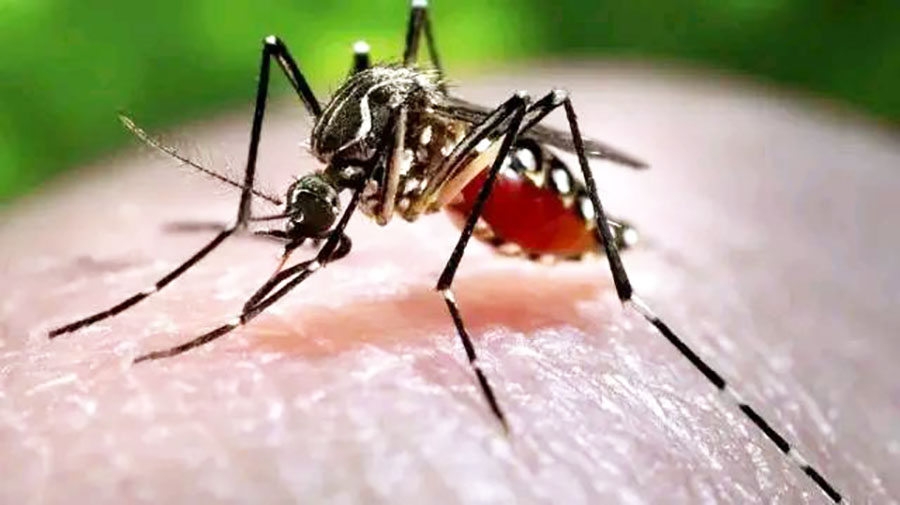
Dengue Fever Spreads Across River Nile State Amid Escalating Health Crisis
Moatinoon – Follow up
River Nile State, north of Khartoum, is witnessing a widespread and rapidly increasing outbreak of dengue fever, placing additional strain on a healthcare system already burdened by a recent surge in malaria cases. The rise in infections has overwhelmed hospitals and treatment centers, which are now crowded with patients, amid a noticeable ضعف in official response and the absence of effective environmental sanitation and mosquito-control campaigns.
The deteriorating health situation coincides with a sharp increase in medicine prices and shortages of some drugs, along with disruptions in treatment services, compounding citizens’ suffering—particularly in rural and more vulnerable areas. Health facilities in both urban and rural localities have reported growing numbers of patients, including cases requiring hospitalization, especially among children and the elderly.
Concerns are mounting that dengue could become endemic in the state, given conditions conducive to mosquito breeding, such as stagnant pools of water, wastewater accumulation, weak sanitation services, and limited regular spraying and vector-control efforts. The rising caseload has created unprecedented pressure on the local health system: emergency departments are overcrowded, inpatient wards are full, and some patients are receiving treatment in unsuitable conditions, while medical staff face heavy workloads and shortages of essential supplies, including IV fluids, antipyretics, and malaria medications.
There also appears to be a clear absence or limitation of environmental sanitation and vector-control campaigns, whether in regular pesticide spraying, eliminating mosquito breeding sites, or implementing effective community awareness initiatives. Weak coordination among health, environmental, and local authorities has contributed to garbage accumulation and standing water in residential neighborhoods, especially in peripheral and rural areas. The lack of proactive planning for the rainy season and floods has further created an ideal environment for mosquito proliferation, raising fears of recurring epidemic waves if urgent measures are not taken.
The crisis is worsened by rising costs of medicines and laboratory tests, imposing an additional burden on citizens amid difficult economic conditions. Some families resort to private pharmacies or non-government clinics due to weak services in public facilities, increasing out-of-pocket health spending and often exhausting savings or forcing households into debt.
The current health emergency reflects structural challenges facing the state’s health sector, including underfunding, shortages of qualified personnel, and the absence of effective epidemiological surveillance and rapid-response systems. Fragile health infrastructure—especially in rural areas—makes it difficult to contain outbreaks in their early stages. Public health awareness also remains limited among segments of the population, particularly regarding preventive measures such as using insecticide-treated mosquito nets, draining stagnant water, proper waste disposal, and seeking medical care promptly when symptoms appear.
Specialists warn that failure to act swiftly could lead to further deterioration and a wider spread of disease, threatening the state’s health and social stability. Urgent, coordinated action is needed, including intensive environmental sanitation campaigns, strengthened mosquito-control efforts, improved medical supplies in hospitals and clinics, affordable access to essential medicines, and expanded public awareness and early surveillance programs. Protecting public health is a shared responsibility that requires a comprehensive response placing citizens’ well-being at the forefront of priorities.
