
Updated: 18 February 2026 10:12:40
Theft of Rare Specimens from the Natural History Museum of Sudan
Follow-ups – Moatinoon
Source: Asharq Al‑Awsat
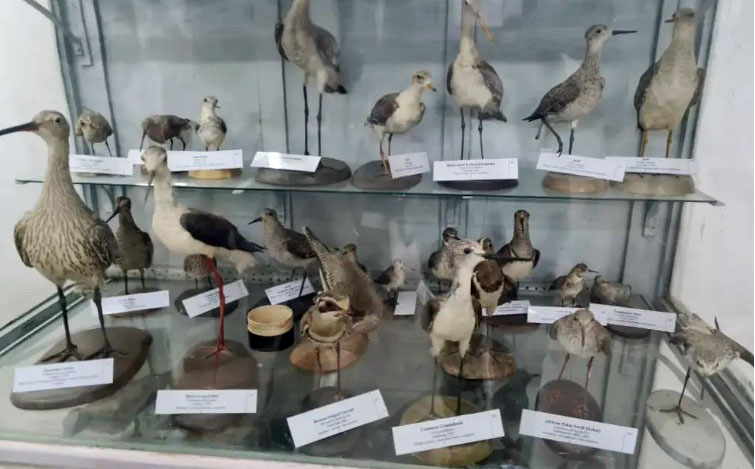
“Everything is gone.” With this brief and painful phrase, a Sudanese government official summarized the loss of a history spanning nearly a century and a half, after war destroyed the headquarters of the Natural History Museum of Sudan in central Khartoum. The country has thus lost thousands of taxidermied and live animals—many endangered—as well as rare reference specimens.
In the first days after the war erupted in April 2023, activists on social media called for food and water to save the live animals. When that failed, cages were opened and the animals fled, including venomous snakes among the reptiles.
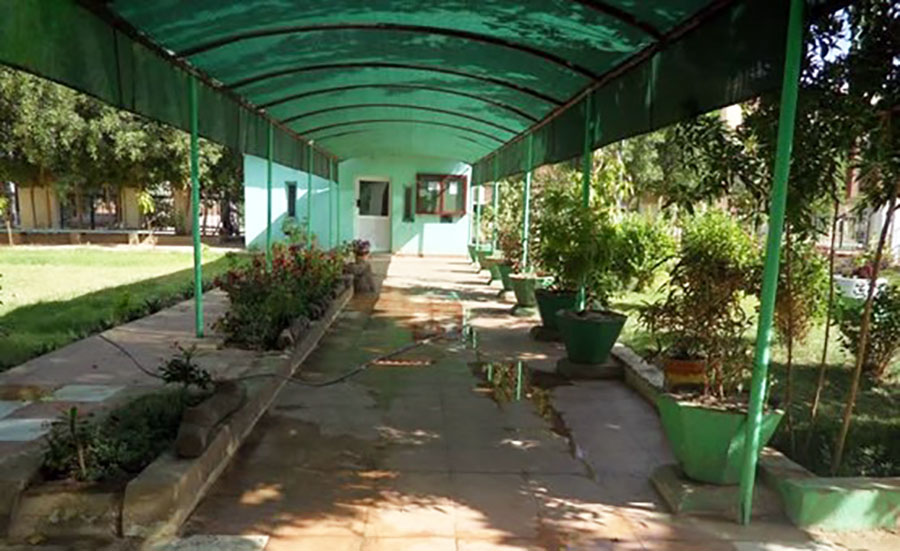
The museum, officially affiliated with the University of Khartoum, lies about one kilometer from the army’s general command headquarters in central Khartoum. This proximity caused severe damage due to clashes and mutual shelling between the Sudanese Armed Forces and the Rapid Support Forces, which ended with the RSF controlling the surrounding area for more than a year.
Dr. Othman Ali Haj Al-Amin, Dean of the Faculty of Science at the university, said: “We lost thousands of taxidermied animals, birds, and reptiles more than 150 years old.” He added, “Most likely the live animals were stolen or looted rather than dying. We found no remains or skeletons of them in the museum.”
Al-Amin broke down in tears while speaking to Asharq Al-Awsat about the immense destruction inflicted on one of the country’s oldest natural history museums and one of the oldest of its kind worldwide. He said, “We lost about 2,000 taxidermied animal specimens, in addition to more than 600 rare reference specimens of endangered species that had been displayed, and nearly all geological records, including animal, plant, and rock fossils.”
He added: “The greatest loss was about 100 species representing all families of animals, birds, and reptiles that had been cared for and preserved for decades.”
Among them were fossil bird specimens collected between 1885 and 1945 that cannot be replaced, as well as a Kordofan giraffe, an endangered species.
During the war, the museum also lost “the largest long-lived crocodile, which had lived for many years in the museum and had been cared for since it was an egg, in addition to many reptiles, including venomous snakes and scorpions and a Nile monitor.” A taxidermied lioness was found and transferred to the veterinary faculty at the University of Khartoum.
Asharq Al-Awsat learned that the International Committee of the Red Cross attempted at the time to evacuate a large number of civilians—including university students who had been trapped for weeks inside the museum—and to relocate live and preserved animals, but failed because of intense fighting in the heart of Khartoum.
According to the Sudanese official, the preserved specimens began to be collected in the mid-19th century by officers in the British army. During World War II, they were moved from the Sudan National Museum to the natural history museum beside the University of Khartoum, which has managed it since its establishment in 1929.
Al-Amin said the museum contained specimens illustrating biodiversity from across Sudan, including South Sudan before its secession, as well as other samples gifted to Sudan from international museums.
The museum included many sections, such as a hall displaying all rare bird species in the country, another devoted to skulls of animals preserved for decades, a section for medicinal and aromatic plants, geological rock samples gathered from ancient eras and environments, and cages for live animals.
The dean said restoring the museum to its original state would take many years of work and substantial funding. He expressed despair about the possibility of recovering the rare animals, historical specimens, and old records lost during wartime.
Many live animals are believed to have been deliberately killed or to have died of hunger and thirst, while taxidermied animals, rock samples, and rare herbs collected, sorted, and classified over many years by researchers were looted.
The Natural History Museum is considered a scientific and cultural institution for studying biodiversity and natural specimens, and one of the oldest museums in Sudan.

