
Updated: 12 April 2026 20:27:03
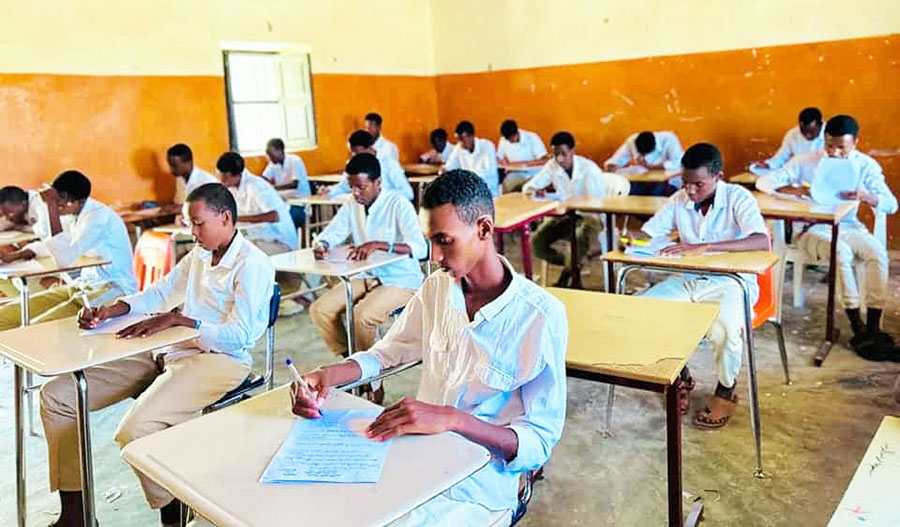
Complications Facing Sudanese Secondary Certificate Exams in the UAE and Uganda
Moatinoon
The Consulate General of the Republic of Sudan in the United Arab Emirates has announced the postponement of Sudanese secondary school certificate exams for students registered at the consulate’s examination center, which had been scheduled for April 13.
The consulate attributed the delay to the enforcement of a decision suspending in-person study across all schools and universities in the UAE. It noted that alternative exams will now be held on May 11.
Meanwhile, in Uganda’s capital, Kampala, a wave of frustration and anger has spread among families and students after difficulties in obtaining seat numbers and confirming exam placements at the main examination center, located at the Girls’ College of the Islamic University in the Kabojja area.
According to the website “Uganda in Arabic,” large numbers of students and parents gathered at the center on Sunday to verify seating arrangements and inspect exam halls ahead of the first session scheduled for Monday. However, they were surprised to be denied entry, amid the absence of finalized lists and the failure to post seat numbers in designated areas.
Organizing committee members present at the school stated that the process of arranging seat numbers had not yet been completed, indicating that procedures would be finalized by midday Monday—just hours before the first exam session.
Parents expressed deep concern over the delay, stressing that students’ inability to know their assigned seats in advance increases psychological pressure on their first exam day. They also warned that last-minute arrangements could lead to overcrowding and disorder, potentially delaying students’ entry into examination halls, and called on authorities to urgently address the situation to ensure a smooth and stable exam process.
These challenges come amid broader disruptions to Sudan’s education system caused by the ongoing conflict, particularly in areas under the control of the Rapid Support Forces (RSF), where holding secondary school exams has become largely impossible due to insecurity, displacement, and the collapse of basic 2services.
Thousands of students in these areas have been unable to sit for their exams for consecutive years, raising serious concerns about a “lost generation” deprived of education and future opportunities.
In response, Sudanese educators and civil society actors have launched the “National Initiative to Save the Future of Sudanese Secondary Students,” aimed at mitigating the crisis. The initiative seeks to coordinate alternative examination arrangements, expand access for displaced students inside and outside Sudan, and advocate for flexible solutions that ensure continuity of education despite the war.
