
Updated: 24 July 2026 22:10:59
Crocodile Terror Sweeps Sudan as Environmental Crises Deepen the Hardships of War
Moatinoon Follpw up
Source: DW Arabic (dw.com)
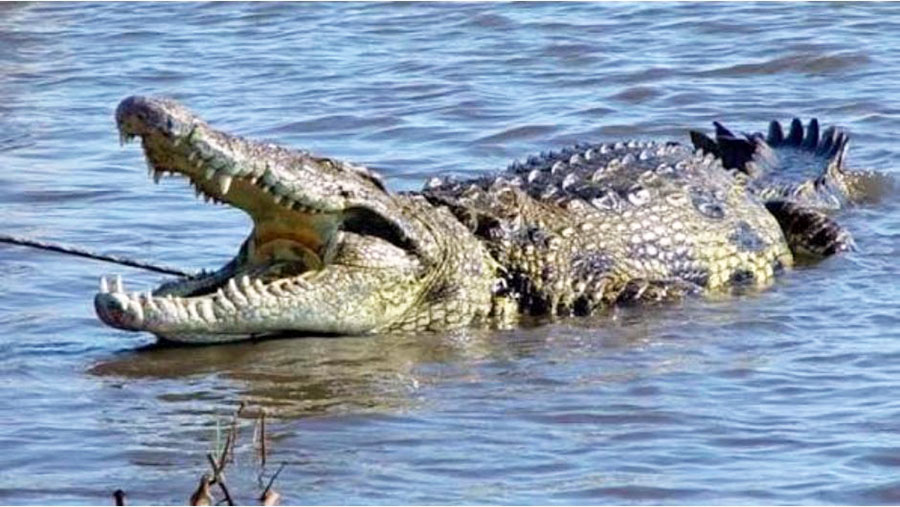
Fear and panic have gripped villages and communities along the Nile River in Sudan following an unprecedented surge in crocodile sightings.
Amid fatal attacks on farmers, official warnings from wildlife authorities, and scientific explanations linking the phenomenon to climate change, the growing confrontation between humans and nature is adding yet another layer of suffering to a country already devastated by war.
Widespread Sightings and Deadly Encounters
Several areas along the Nile have witnessed a sudden increase in the number of crocodiles, alarming local residents. The sightings have not been confined to Sudans Northern State and cities such as Dongola but have also extended to areas near the capital, including the Al Kalakla suburb south of Khartoum.
Although Nile crocodiles have inhabited the river for more than two centuries, residents say the unusually large numbers seen this year pose a serious threat to communities, particularly farmers who depend on the river for irrigation and daily water collection.
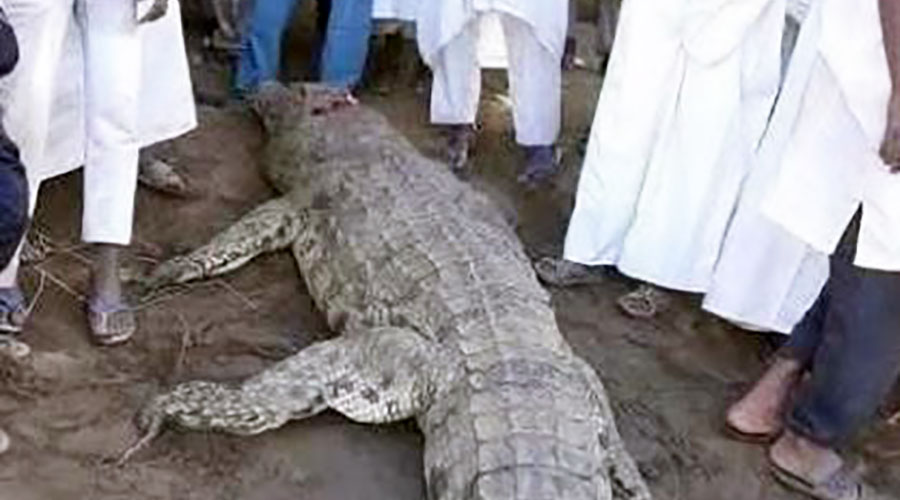
Fears intensified after a tragic incident on Sai Island in northern Sudan, where a large crocodile attacked young farmer Omar Mohamed Abdel Khaleq while he was working along the riverbank. Witnesses said the crocodile seized him and dragged him into the river within seconds before swallowing him, despite desperate rescue attempts by relatives and friends.
The tragedy has revived painful memories of previous wildlife attacks on the historic island, including earlier crocodile incidents and encounters with giant African rock pythons.
Climate Change and the Grand Ethiopian Renaissance Dam
Mohamed Hafez, a dam engineering expert, believes the current situation is the second major recurrence of a crisis Sudan experienced in July 2020, when falling water levels exposed the intakes of drinking water stations.
Speaking on DW Arabics "Sudan Now Plus" podcast, Hafez attributed the phenomenon to two main factors.
"The first is climatic," he said, referring to the effects of the El Niño weather pattern, which has reduced water levels in the Nile.
"The second factor is the Grand Ethiopian Renaissance Dam (GERD), which has become the principal regulator controlling the amount of water reaching Sudan," he added.
According to Hafez, better coordination between Sudan and Ethiopia over water releases during El Niño periods could have reduced the severity of the current situation.
He argued that while El Niño alone might negatively affect around 10 percent of Sudans population, the combined impact of reduced flows and the dam could increase the damage to as much as 50 percent.
Hafez also said Sudans ongoing security crisis has hampered efforts to seek international support, criticizing the countrys Ministries of Irrigation and Foreign Affairs for not doing enough to present the issue before relevant international bodies.
Environmental Changes Behind the Crocodiles Behavior
Mohamed Al-Makki Ali Al-Badawi, a wildlife professor at the Faculty of Natural Resources and Environmental Studies at Sinnar University, said the increased presence of Nile crocodiles near populated riverbanks does not necessarily indicate greater aggression.
Instead, he explained, the phenomenon is closely linked to environmental changes affecting the crocodiles natural habitat.
Among the main causes, he cited the loss of traditional basking areas due to agricultural expansion, the noise generated by irrigation pumps, fluctuations in Nile water levels between sudden rises and periods of recession, and increased water turbidity during the rainy season, which provides ideal camouflage for crocodiles.
Breeding Season
Al-Badawi also noted that the rise in crocodile sightings coincides with their breeding season.
Female crocodiles typically lay eggs between March and May, while hatchlings emerge during the annual flood season, when they spread into shallow waters near riverbanks.
He stressed that humans are not part of the Nile crocodiles natural diet. Most attacks, he explained, occur when crocodiles defend their nests, mistake people for prey in murky water, or become familiar with individuals who repeatedly visit the same locations.
He said the most effective response lies in scientific wildlife management, including the establishment of safe water collection points, warning signs along dangerous riverbanks, and avoiding indiscriminate killing of crocodiles, which could disrupt the rivers ecological balance.
Official Warnings
Sudans Wildlife Protection Forces, part of the national police, have warned residents against swimming or approaching riverbanks during the current period.
The force urged the public to follow safety guidelines while announcing patrols to monitor islands and riverbanks and conduct public awareness campaigns.
Officials also emphasized the importance of promoting safe coexistence with wildlife and suggested that crocodiles could eventually be incorporated into investment projects aimed at sustainable breeding and generating economic value.
Dangerous Social Media Stunts
As crocodile sightings have increased, social media users in Sudan have circulated videos that many viewers described as "suicidal."
One widely shared clip showed a man in River Nile State approaching a massive Nile crocodile at extremely close range, placing his hand on the animal as if attempting to pet or push it while the crocodile remained motionless.
Wildlife experts warned that such behavior is extremely dangerous, explaining that a crocodiles apparent calm should never be interpreted as harmlessness.
Instead, they said, remaining still is often a deliberate hunting strategy that precedes a lightning-fast attack capable of leaving victims with virtually no chance of survival.
The video sparked widespread public criticism and renewed calls for people not to imitate such reckless behavior, particularly as crocodiles are increasingly appearing near farms and villages during the flood season.
Experts warned that underestimating the risks posed by Sudans river environment can turn into tragedy within moments.

