
Updated: 28 July 2026 14:53:47
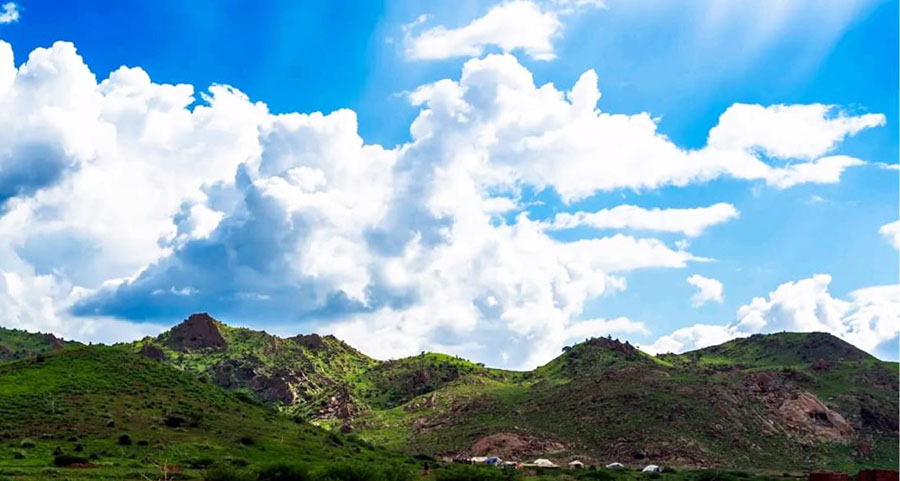
Local Knowledge… When the Land Speaks Before the Weather Forecast
Mujahid Nasr Al-Din
Every agricultural season, attention turns to weather forecasts and rainfall predictions as scientific tools to aid in planning and decision-making. However, alongside this scientific knowledge stands another equally important source of experience: the local knowledge accumulated by farmers, herders, and rural communities over decades of coexistence with nature.
This knowledge wasnt written down in books but rather born from daily experience. It relies on observing wind patterns, bird and insect behavior, changes in vegetation cover, and the timing of certain natural phenomena that people have traditionally associated with the approach or delay of rainfall. Although these indicators arent always accurate, they have, over the years, formed an important reference point for agricultural decision-making.
With the accelerating pace of climate change, traditional experience alone is no longer sufficient, and scientific forecasts alone cannot encompass all local details. Therefore, the real challenge lies in integrating local knowledge with scientific knowledge, so that communities can benefit from the accuracy of climate data while simultaneously gaining an understanding of the unique characteristics of their environments.
Recognizing local knowledge does not mean rejecting science; rather, it means believing that sustainable development is built on their integration. When researchers meet farmers, and data meets experience, decisions become more informed, and communities are better equipped to cope with droughts, floods, and climate change.
Local knowledge is not a substitute for science, but a partner to it. The more we respect this heritage and invest in it alongside modern technologies, the closer we get to more sustainable agriculture, more stable food security, and communities better able to adapt to an increasingly complex climate future.
