
Updated: 1 August 2026 15:13:03
Sudanese Refugee Lawyers: Careers After Displacement
Source: borgenmagazine.com
A year into the conflict in Sudan, more than 11 million people fled their homes inside the country, with over 2.7 million Sudanese refugees escaping to neighboring nations. The civil war disrupted education, health systems, the economy and job opportunities, leaving many trained professionals unable to work. Among those affected are Sudanese refugee lawyers who lost their offices, documentation and ability to practice law. The United Nations High Commissioner for Refugees (UNHCR) reports that displacement creates “cycles of chronic poverty,” restricting movement, freedom and access to basic needs such as food, water and shelter.
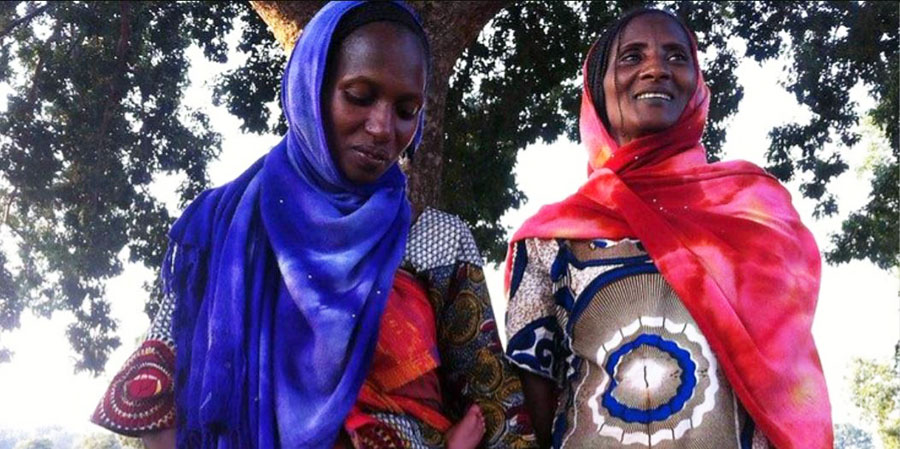
This article explores the journeys of Amira, Asma and Fathia, three Sudanese women living in exile, and how they have rebuilt their legal careers after displacement.
Amira: Rebuilding a Legal Career in Chad
Amira is a Sudanese refugee living in the Iridimi refugee camp in eastern Chad. The camp hosts almost 42,000 Sudanese refugees who had to leave behind their lives and careers and adapt to a new routine.
Amira worked as a lawyer after her mother inspired her to pursue the profession. She trained and practiced law in Omdurman and opened her own office in 2023, just months before the civil war broke out.
When fighting erupted on April 15, 2023, Amira left her home because it became unsafe and she never returned to her office. Her life in Iridimi does not resemble her previous one, with her days now spent queuing for water, searching for food and navigating limited support systems.
Through the UNHCR-Mastercard Foundation partnership, Amira and other Sudanese refugee lawyers gained accreditation for their legal degrees in Chad. By 2025, the program expanded to support 100 Sudanese refugee lawyers in eastern Chad, helping them regain their legal careers. This training restored their sense of agency and allowed them to regain autonomy and control over their lives. With accreditation, Amira now supports cases related to refugee rights, family law and documentation issues.
Asma: Restarting Legal Work Through Global Mobility
When the civil war broke out, Asma and her family fled to Egypt, where she left behind her legal career. Although she held full qualifications to practice law in Sudan, employers outside her home country did not recognize her credentials, which prevented her from securing stable work. UNHCR notes that displaced people who flee without documentation often face barriers to professional employment.
Asma worked in Egypt for five months before her employer laid her off. She spent another 18 months applying for jobs without success. She applied for positions in multiple countries and submitted applications for master’s programs, but gradually lost hope as opportunities failed to appear.
In May 2023, Asma saw a Talent Beyond Boundaries (TBB) LinkedIn post and registered on the talent catalogue. This registration connected her with a UK firm advertising a job starting in December 2023. She received her job offer eight months later.
Asma’s legal experience in Sudan strengthened her ability to adapt to work in the UK. She arrived prepared with strong multitasking abilities and managed high levels of responsibility independently, which helped her adjust quickly to her new legal environment.
Asma now advocates for expanding refugee labor mobility in the UK. TBB reports that more than 1,000 refugees globally have secured skilled visas through its programs, including Sudanese professionals like Asma. Her journey demonstrates how Sudanese refugee lawyers rebuild legal careers after displacement despite geographical and accreditation barriers.
Fathia: Supporting Women Through Legal Advocacy in Exile
Fathia, a mother of four, fled the civil war in Sudan on foot to Chad in June 2023. She worked as a lawyer in Sudan and felt driven to defend vulnerable people against injustices. She continued this work in exile by providing free legal advice to women in the Metche refugee settlement.
After she learned about APLFT’s search for lawyers, she applied because she wanted to continue learning and share her expertise.
Today, Fathia works as one of the Sudanese refugee lawyers hired under UNHCR-APLFT initiatives to provide legal assistance and raise community awareness of Chadian laws. The program improves refugees’ access to legal support while empowering individuals like Fathia to use their skills in a new environment. Her role is especially significant because she is one of the few female refugee lawyers in Chad, and many women feel more comfortable approaching female lawyers for help.
Fathia’s work shows how Sudanese refugee lawyers rebuild legal careers after displacement, adapt their skills to new environments and support vulnerable communities.
Looking Ahead
The experiences of Amira, Asma and Fathia show that despite losing their careers, qualifications and livelihoods, rebuilding in the face of displacement is possible through determination, resilience and targeted support programs. Accreditation initiatives, skilled migration pathways and community-based legal aid programs are helping Sudanese refugee lawyers regain professional status, reduce poverty and strengthen justice systems within refugee communities. Their legal expertise now transcends borders, allowing them to regain autonomy and empower others in exile.
