
Updated: 11 August 2026 15:29:11
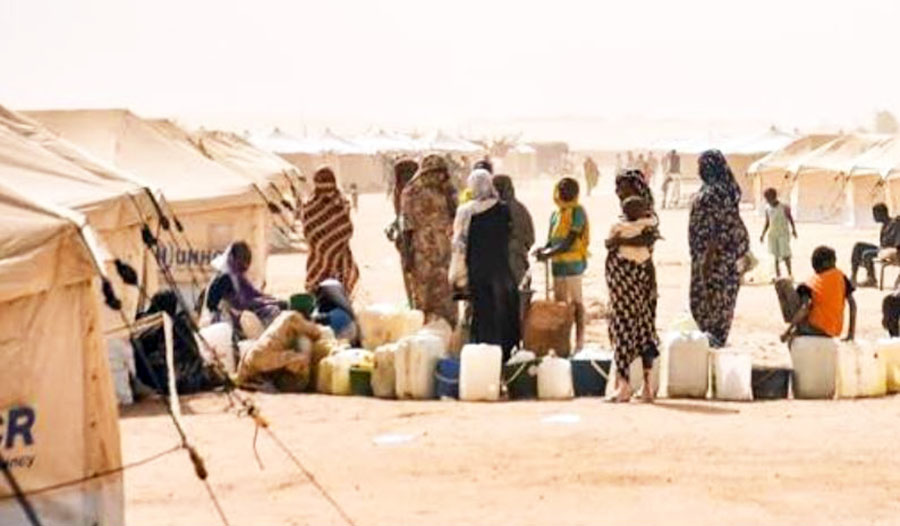
Due to contaminated water, Darfur camps face a worsening humanitarian crisis
Moatinoon
Displaced persons camps in the Darfur region are facing a rapidly deteriorating humanitarian and health situation, with severe shortages of food and medicine, declining water and sanitation services, and the spread of diseases. The rainy season is raising concerns about a further worsening of the health situation and the wider spread of epidemics.
The General Coordination of Displaced Persons and Refugee Camps in Sudan stated in a press release issued on Tuesday that the humanitarian situation inside Darfur camps has reached extremely dangerous levels, warning that millions of displaced people are living in harsh conditions lacking the most basic necessities for a dignified life.
These warnings come at a time when displaced people have been living for years under the burden of repeated displacement, loss of homes and sources of income, in addition to a decline in access to food, safe water, and healthcare, making the camps more vulnerable to diseases and epidemics.
Twelve cholera cases reported in Tawila area
The Coordination Committee reported 12 cholera cases in the Tawila area between July 5 and August 11, with no deaths. It noted that most cases are concentrated in the Dabanera camp.
The committee described the camp as an epidemic hotspot threatening the lives of displaced people, warning of the potential for the infection to spread to other camps and communities, especially given the rainy season and the contamination of water sources.
It also indicated the presence of sporadic cases in other camps in Darfur, raising concerns that the limited infections could escalate into a wider outbreak if urgent measures are not taken to control the disease and improve water, sanitation, and hygiene conditions.
Addressing cholera in such fragile environments requires more than just responding to cases. The spread of the disease is closely linked to providing safe drinking water, improving sanitation, ensuring safe waste disposal, promoting health awareness, and rapidly detecting, isolating, and treating cases.
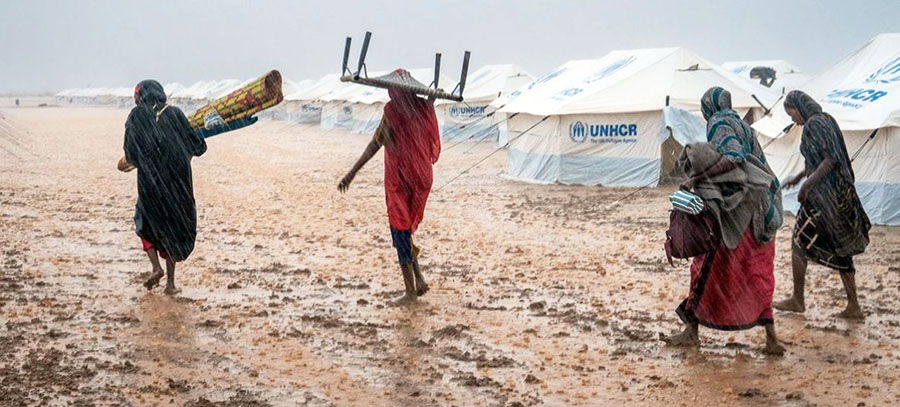
Contaminated Water Threatens Displaced People
The water crisis presents displaced people with one of the most serious health challenges within the camps. According to the Coordination Committee, most residents rely on unsafe water sources due to limited access to clean water and inadequate sanitation infrastructure.
The situation becomes even more critical during the rainy season, when water sources can become contaminated, especially in overcrowded areas lacking sewage systems and proper waste disposal facilities.
The consequences of the lack of safe water are not limited to cholera. Water contamination and poor sanitation can lead to the spread of several waterborne and sanitation-related diseases, at a time when the camps already suffer from limited access to medical services.
Malnutrition Exacerbates the Risks
Food shortages are another factor that increases the vulnerability of the population within the displacement camps, particularly children and women. The Coordination Committee warned of the impact of malnutrition on the bodys ability to resist disease, noting that children and women face compounded health risks due to the lack of food, medicine, and medical services.
These risks become even more acute when malnutrition coincides with infectious diseases. Poor nutritional status can prolong illness and increase the need for medical care at a time when health facilities are already struggling to provide essential medicines and supplies.
Births in Harsh Conditions
The crisis extends beyond food, water, and disease. Pregnant and lactating women face dire health conditions within the camps.
The Coordination Office stated that some births occur without adequate healthcare or basic medical supplies, exposing mothers and newborns to avoidable risks if basic healthcare services were available.
The situation is further exacerbated by the deterioration of health services and shortages of personnel and supplies, while large numbers of displaced people are forced to rely on limited resources to meet their daily health needs.
Dilapidated Tents and Families Without Protection
According to the statement, thousands of displaced families are living in dilapidated tents and shelters that offer inadequate protection from rain and harsh weather conditions, while simultaneously facing shortages of food, water, and basic services.
The precariousness of these shelters makes the rainy season an additional challenge for the displaced, especially in overcrowded camps that lack the necessary infrastructure for rainwater drainage and protecting water sources from contamination.
The Coordination Committee states that the humanitarian crisis in Darfur cannot be reduced to the spread of disease or a shortage of a specific commodity. Rather, it is a complex crisis intertwined with war, displacement, poverty, and the collapse of basic services.
Calls for an Urgent Response
The General Coordination Committee for Displaced Persons and Refugee Camps called on humanitarian organizations to urgently provide food and medicine, and urged international health agencies to send vaccines and essential medical supplies and strengthen the response to epidemic diseases.
The Coordination Committee also called on the international community to pressure the parties to the conflict to ensure unimpeded and non-politicized access for humanitarian aid to civilians and displaced persons, stressing that humanitarian assistance is essential to saving the lives of the most vulnerable populations.
The Committee urged the media to intensify its coverage of the humanitarian crisis in Darfur and to highlight the plight of displaced persons, particularly children, women, and the elderly.
A Crisis Beyond the Camps
The situation described by the Coordination Committee indicates that the health risks in Darfurs camps are inseparable from the broader humanitarian crisis caused by the war and displacement.
The spread of a disease like cholera in an environment lacking safe water and sanitation, coupled with malnutrition and a shortage of medical care, could transform limited cases into a wider health crisis if a rapid and effective response is not provided.
In addition to treating those infected, the response requires preventative measures, including providing safe drinking water, rehabilitating water sources, improving sanitation, providing hygiene supplies, strengthening epidemiological surveillance, and ensuring access for medical teams and supplies to affected areas.
The Coordination warns that the continuation of the current situation means that millions of displaced people will remain in a continuous cycle of disease, hunger and loss of safe shelter, stressing that an urgent humanitarian response is no longer a matter that can be postponed, but rather a necessity to save lives and preserve the minimum human dignity of the displaced people in Darfur.

