
Updated: 17 September 2026 15:01:07
Sudanese Pound Under Pressure as Markets Close Amid a New Wave of Price Hikes
Moatinoon
A new wave of soaring prices has hit Sudanese markets, as the Sudanese pound continues to lose value against the U.S. dollar. Traders are being forced to repeatedly adjust prices, while consumers face rapidly changing costs for basic goods in an economy battered by war, declining production, disrupted supply chains and a severe shortage of foreign currency.
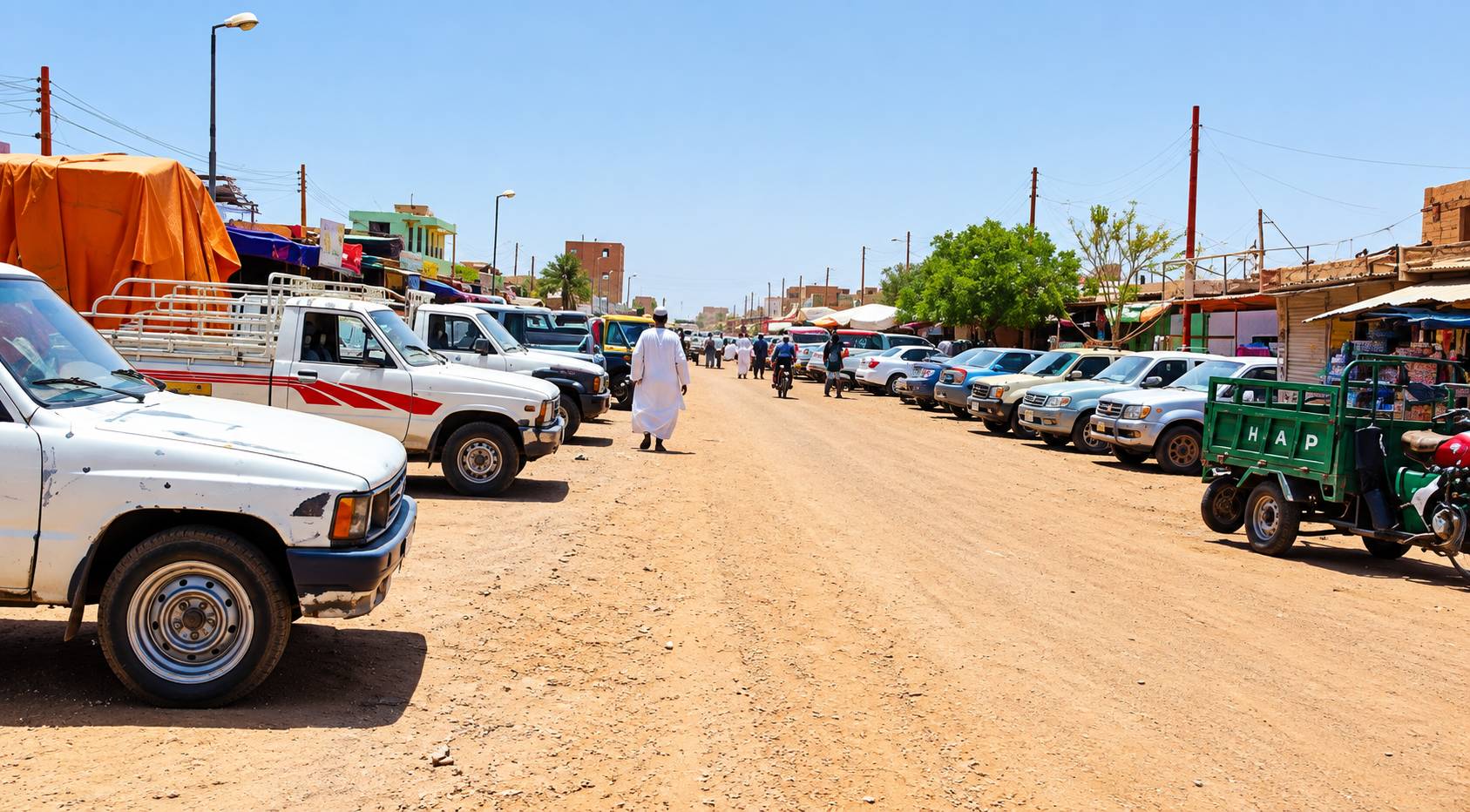
For the second time in a week, markets in eastern Khartoum have been hit by sharp price increases, prompting some traders to close their shops or temporarily halt sales, fearing substantial losses if they sell their existing stocks at old prices before determining the cost of replacing them.
At the National Unity Market in Haj Yousif, east of the capital, shops in the western wholesale section were partially closed on Wednesday, while some traders stopped selling because of sudden increases in the prices of sugar, cooking oil, flour and other essential commodities.
Mohamed, a trader who closed his shop in the western section of the market, said the prices of goods and consumer products had risen dramatically, making it impossible for traders to continue selling at previous prices without incurring losses.
“We cannot sell at the old price because the cost of purchasing new goods has increased several times,” he said. “If I sell at the old price, I will effectively be putting part of my capital back into the business without making any profit.”
He added that traders were now effectively “working for free, without any return,” despite having families and daily financial obligations.
A Weaker Pound Drives Prices Higher
The latest price increases come amid mounting pressure on Sudan’s foreign-exchange market, with the pound suffering a sharp decline against the U.S. dollar in recent weeks. On September 5, the dollar surpassed 7,300 Sudanese pounds on the parallel market, according to figures cited by *Sudan Tribune*, highlighting continued pressure on the local currency.
Sudan’s economy remains heavily dependent on imports, making fluctuations in the exchange rate quickly visible in the cost of imported goods, production inputs, transportation and other services.
The authorities also raised the exchange rate used for customs purposes in September from 3,960.24 to 4,346.65 Sudanese pounds per dollar, an increase of about 8.9 percent, according to local reports. The customs rate is used to calculate duties and other charges on imported goods, meaning that the adjustment increases import costs.
For traders, however, the impact of currency depreciation extends beyond goods imported directly from abroad. Higher exchange rates also affect transportation, storage, financing and production costs, putting additional pressure on a wide range of economic activities.
Sugar Prices Double in Three Days
At the National Unity Market, the price of a kilogram of sugar jumped from around 5,000 Sudanese pounds to 10,000 pounds, a 100 percent increase in just three days, according to traders and consumers interviewed at the market.
The price of a small bottle of cooking oil also rose from around 13,000 to 20,000 pounds, with traders expecting further increases. Flour prices have remained relatively stable for now, but consumers and traders fear they could rise at any moment.
Consumer Mohamed M. said a trader he regularly buys from initially refused to sell him a 10-kilogram sack of sugar at the previous price. The trader eventually agreed to sell it for 100,000 pounds after Mohamed explained that he urgently needed the sugar.
The price amounted to 10,000 pounds per kilogram.
The latest price increases are part of a broader economic crisis in Sudan. Since the outbreak of war in April 2023, the country has suffered a severe contraction in economic activity and productive capacity.
According to the World Bank, Sudans real GDP contracted by about 29.4 percent in 2023 and a further 14 percent in 2024, as the war damaged productive sectors and disrupted trade, services, agriculture and supply chains.
Annual inflation reached 170 percent in 2024, driven largely by disruptions in supplies and rising food, transportation and housing costs. Although inflation subsequently declined, it remained at exceptionally high levels, placing severe pressure on Sudanese households.
Traders Move Goods into Storage
As expectations of further price increases grow, another phenomenon has emerged in the markets: some traders are removing goods from their shops and transferring them back into storage facilities, waiting for the new price levels to become clear.
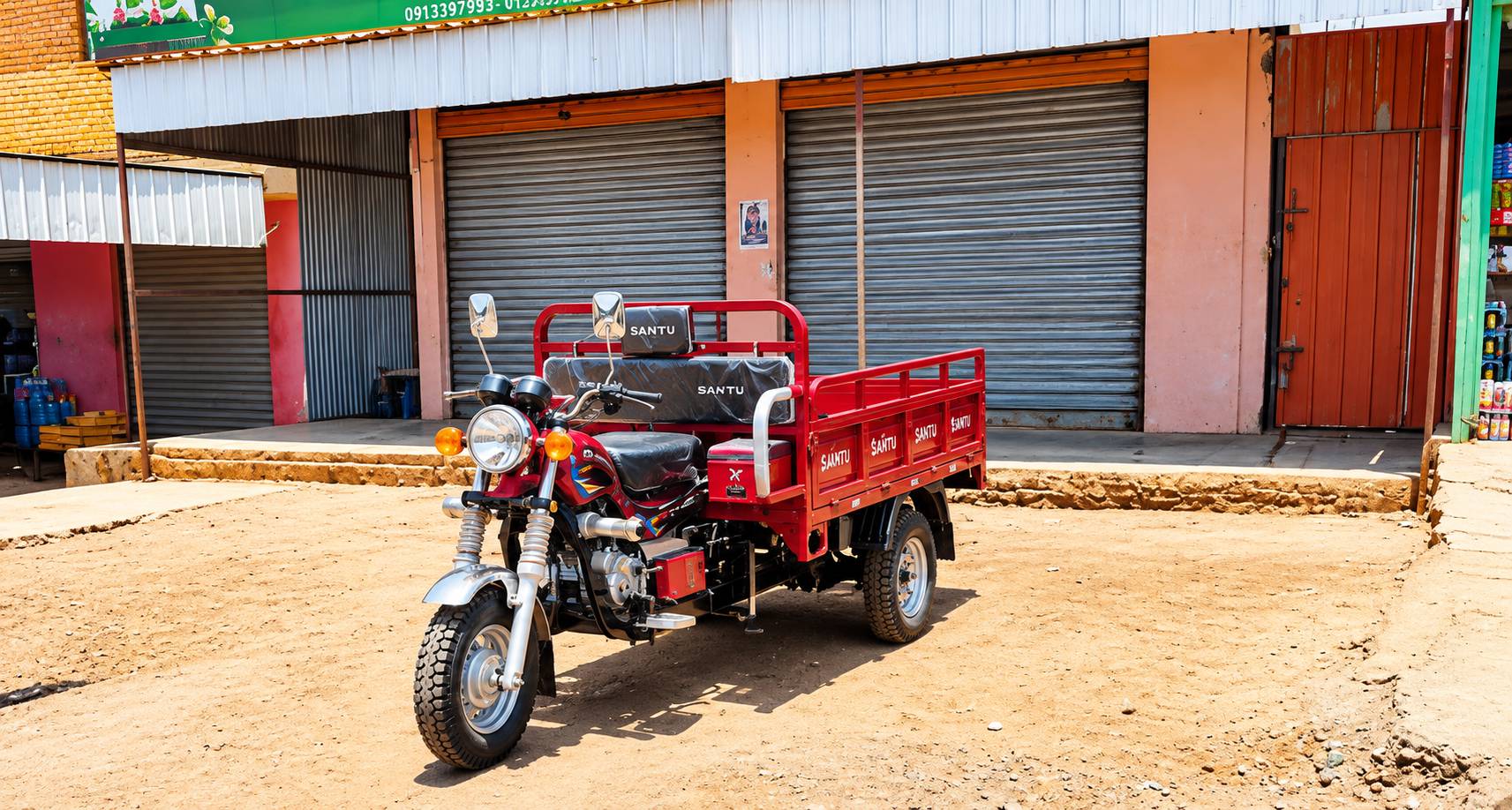
Ali, who owns a retail shop in the Al-Takamul area, said he had seen several three-wheeled tuk-tuks transporting sacks of sugar and flour from shops to warehouses in nearby residential blocks.
“I came to the market to buy some goods, but I found that one of the traders I normally deal with had closed his shop,” he said. “I had to buy what I needed from another trader at a much higher price.”
The practice reflects growing uncertainty in the market. Traders fear that selling their existing stock will leave them unable to purchase the same quantities when they need to replenish their inventories. Consumers, meanwhile, fear that postponing purchases could mean paying even higher prices later.
War Economy Deepens the Crisis
The crisis goes beyond the exchange rate. It is being driven by a combination of factors, including declining domestic production, disrupted trade routes, higher transportation costs, shortages of cash, weakened purchasing power and declining government revenues.
The World Bank says the war has caused extensive damage to Sudans productive infrastructure and economy, disrupting agriculture, services and trade. Government revenues fell from around 10 percent of GDP in 2022 to less than 5 percent in 2024–2025, significantly reducing the states capacity to provide basic services.
At the same time, food insecurity has intensified amid continued fighting, displacement and declining production. The World Food Programme said in September 2026 that around 20 million people in Sudan were facing hunger, while the war had displaced around 14 million people and severely damaged the countrys economy.
Consumers Bear the Brunt
Consumers remain the weakest link in the chain of rising prices. While traders can raise prices to compensate for the increased cost of replacing their stocks, salaried workers, laborers and low-income households have no equivalent means of offsetting the erosion of their incomes.
The result has been a decline in purchasing activity at the National Unity Market. Many consumers now limit their purchases to essential goods, while others choose to remain at home or postpone shopping in the hope that prices will stabilize.
Traders and consumers say the problem is no longer simply the high price of a particular commodity. It is the inability to predict what that commodity will cost the following day.
The depreciation of the Sudanese pound has therefore transformed what began as a currency and financial crisis into a daily livelihood crisis. Every decline in the value of the pound raises import costs; higher costs are passed from traders to consumers, while wages and household incomes lose purchasing power.
As the war continues and production remains weak amid shortages of foreign currency, Sudans markets appear trapped in a difficult cycle: a weaker pound, higher import costs, rising prices, shrinking purchasing power and increasingly cautious traders.
In this environment, the closure of shops and the refusal to sell are no longer merely temporary commercial decisions. They have become signs of a deeper economic crisis threatening the markets ability to keep essential goods available to consumers at prices they can afford.

