
Updated: 22 September 2026 16:02:52
Sudan: Shrinking Aid Deepens the Hunger Crisis
Moatinoon – Report
From El Fasher to Tawila, and beyond Sudan’s borders into neighbouring countries, the humanitarian fallout from Sudan’s war is widening as funding shortages force aid agencies to scale back assistance to millions of displaced people and refugees.
Just 75 kilometres of scrubland separate El Fasher from Tawila in North Darfur, a route that has become a dangerous passage for hundreds of thousands of civilians fleeing the fighting in western Sudan in search of safety, food and shelter.
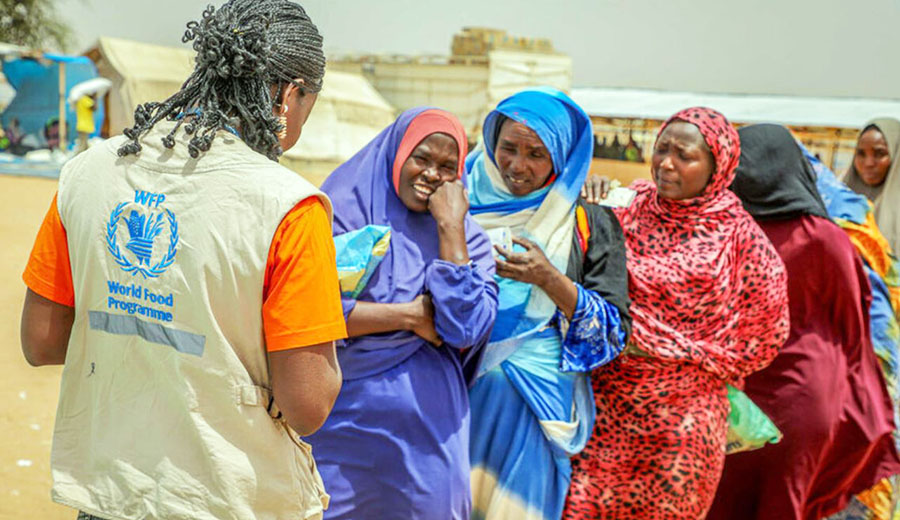
Now, those who have gathered in Tawila face another threat: shrinking humanitarian assistance, particularly as funding shortages force the World Food Programme (WFP) and other aid agencies to reduce support.
During an eight-day mission to Sudan that included visits to Khartoum, El Obeid, El Fasher and Tawila, WFP Acting Executive Director Carl Skau described the humanitarian situation as extremely serious and called for greater international support.
“We’re doing our best on the food side, but we need funding,” Skau said, warning that continued resource shortages would make it increasingly difficult to provide assistance on the scale required.
19.5 million facing hunger
According to the latest Integrated Food Security Phase Classification analysis, nearly **19.5 million people in Sudan are facing crisis levels of acute food insecurity or worse**. More than five million are in Emergency conditions, while several areas remain at risk of famine. An estimated 825,000 children under five are also expected to suffer from severe acute malnutrition in 2026.
WFP says it is currently reaching around four million people each month with assistance in Sudan, but the gap between humanitarian needs and available resources remains substantial. Only about 20 percent of Sudan’s 2026 Humanitarian Needs and Response Plan had been funded as of April.
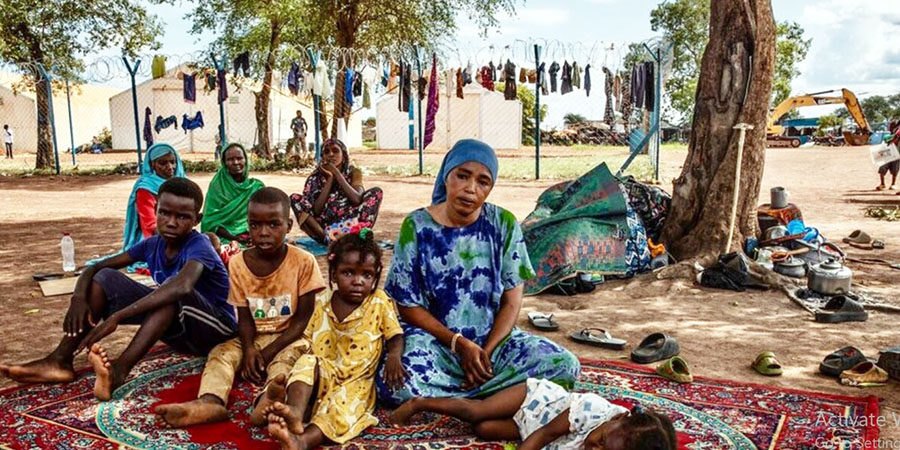
In Tawila, where displacement camps have spread across the area, funding shortages have forced further reductions in food rations. Many women who have lost husbands or sons are now the sole providers for their families, facing increasingly limited options.
Skau said the situation in Tawila reflects a broader crisis in which years of war have destroyed livelihoods and pushed millions of Sudanese people to depend on humanitarian assistance.
El Obeid under pressure
WFP assistance is also reaching El Obeid, a central Sudanese city that has become a destination for thousands of people displaced by fighting elsewhere in the country.
Skau described the city as a kind of safe haven for people arriving from across Sudan, but warned that funding shortages are forcing WFP to provide less assistance and prioritize newly displaced people and those facing the greatest needs.
The developments come as UN agencies and international food-security organizations continue to identify Sudan as one of the world’s most severe hunger hotspots, amid mass displacement, disrupted markets and production, and major humanitarian access constraints.
South Sudan: A crisis crossing borders
The consequences of Sudan’s war are also being felt across its borders. In South Sudan, up to 3,000 refugees and returnees continue to arrive from Sudan each week, while the country itself is facing severe food insecurity and a growing humanitarian funding crisis.
Around 7.8 million people in South Sudan are facing high levels of acute food insecurity. UN agencies have also warned that more than 650,000 refugees and asylum seekers risk losing access to lifesaving assistance because of funding shortages.
Matthew Hollingworth, WFP Assistant Executive Director for Programme Operations, said South Sudan was approaching a “financial cliff” at a time when humanitarian needs had reached their highest levels in more than a decade.
At a transit centre in the border town of Renk, WFP assists people fleeing Sudan, including women, children and elderly people, some of whom have walked for days or weeks to reach safety.
Chad: Refugees face reduced assistance
Further north, Chad is hosting around 1.5 million refugees, including nearly 945,000 people who have fled Sudan since April 2023, according to the latest WFP figures.
Funding shortages are coinciding with the rainy and lean season, when diseases such as malaria become more prevalent and access to food and humanitarian assistance becomes more difficult.
In April, WFP warned that more than one million Sudanese refugees in Chad faced the prospect of cuts to food, water, shelter, protection and health services unless a major funding gap was addressed.
At border reception areas, humanitarian workers say refugees are primarily asking for basic necessities, above all food for their children.
A funding crisis with wider consequences
The humanitarian funding crisis cannot be separated from the war itself. The conflict has displaced millions, destroyed livelihoods, disrupted markets and trade routes, while climate shocks, declining agricultural production and rising food and energy costs have further increased humanitarian needs.
WFP has warned that funding cuts do not simply mean fewer food distributions. They can also undermine nutrition programmes, school meals, support for farmers and livelihood projects designed to help communities become more self-reliant over time.
Sudan’s crisis also demonstrates how the consequences of war extend beyond the country’s borders. As displaced Sudanese cross into Chad and South Sudan, pressure grows on host communities already struggling with poverty, conflict and climate shocks.
As Sudan enters its fourth year of war, shrinking humanitarian funding risks becoming another factor driving the expansion of hunger, at a time when UN agencies say needs are far outpacing available resources.
For millions of Sudanese and refugees in neighbouring countries, food assistance is therefore more than an emergency response. It is a lifeline whose reach is shrinking even as the need for it continues to grow.

