
Updated: 1 October 2026 21:26:11
Dengue Fever Strikes Sennar: 1,033 Cases and 9 Deaths
Moatinoon
Sennar State is facing a rising wave of dengue fever and malaria, with 1,033 dengue cases and 9 deaths recorded between early January and September 27, 2026. Local medical sources report growing concerns that infection numbers could rise further in the coming weeks.
The recorded cases were distributed across five localities: Singa led with 381 cases, followed by Sennar (380), East Sennar (126), and Abu Hajar (81), while Al-Dali and Al-Mazmum recorded 15 cases.
Local health data indicate an alarming rise in infection rates. The simultaneous spread of dengue fever and malaria is straining health facilities and intensifying the need for an urgent response to curb disease transmission and the increasing caseload.
The resurgence of dengue fever comes as Sudan’s healthcare system grapples with major challenges stemming from the war that began in April 2023—challenges that have brought about population displacement, pressure on health services, and resource shortages in several regions.
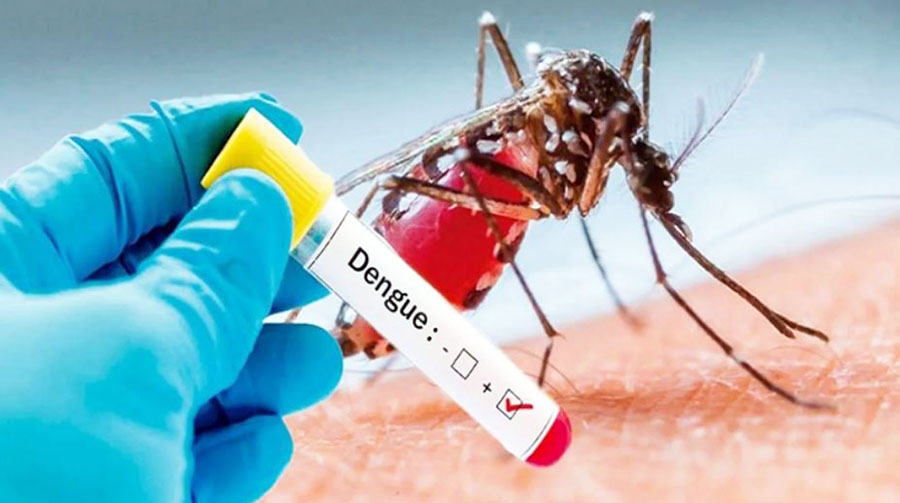
Dengue fever is a viral disease primarily transmitted through the bites of *Aedes* mosquitoes. Symptoms typically include fever, headache, muscle and joint pain, and fatigue; however, some cases can progress to severe complications requiring medical intervention. The rise in infections in Sennar raises particular concerns about the disease spreading further, with case numbers expected to increase in the coming weeks. This situation compels health authorities to strengthen surveillance, early detection, and case response, while also intensifying mosquito control efforts.
Local activists and media figures state that the health situation in the state requires urgent, coordinated action between government bodies and the local community. They warn that a delayed response could exacerbate the crisis and lead to the disease spreading to other areas.
They have called on the Sennar State Ministry of Health and Social Development to coordinate immediately with relevant health agencies and devise an urgent plan to contain dengue fever and malaria. This plan should include intensifying disease-vector control campaigns, boosting community awareness, and supplying health facilities with necessary medicines and medical equipment.
They also urged the expansion of awareness campaigns across cities and villages—particularly in areas with high infection rates—focusing on preventing mosquito breeding in and around homes and eliminating stagnant water and uncovered containers that provide suitable breeding grounds.
Activists warn that treating the current surge merely as isolated cases could diminish the chances of bringing the disease under control early, especially given that infections have been recorded in multiple localities across the state.
The simultaneous presence of dengue and malaria further complicates the health situation; the two diseases share some initial symptoms, making accurate medical diagnosis and monitoring crucial for identifying the specific infection and administering the appropriate treatment. Addressing the outbreak, according to local calls, requires parallel measures: starting with strengthened epidemiological surveillance and the provision of testing and medical care, and extending beyond mosquito control to include raising public awareness about symptoms and prevention, as well as encouraging those infected to seek timely medical attention.
While the number of recorded dengue cases in Sennar State reached 1,033—including nine deaths—as of September 27, these figures are likely to rise as new infections are reported, particularly given forecasts of an increase in cases over the coming weeks.
Amid this situation, local stakeholders are calling for warnings to be translated into urgent on-the-ground action before the outbreak widens and the current surge escalates into a major health crisis—especially in areas already struggling with strained basic services.
The figures recorded to date present Sennar State with a health challenge demanding a rapid response. This is necessary not only to curb dengue-related fatalities but also to prevent the disease from spreading to new areas, all while simultaneously battling malaria and other illnesses that compound the burden on the population and the healthcare system.
As the state looks toward the coming weeks, there is a clear need for a coordinated response led by health authorities and supported by local communities and health organizations. The goal is to contain infections, minimize the risk of spread, and protect the population from an epidemic wave that could expand if prevention and control measures are delayed.
